
Timeless Syria
Where history whispers, and still speaks.
Long before borders and names, this land was already telling stories.
In Syria, the first seeds were planted, the first songs written, the first letters carved into clay.
Its ancient cities still breathe, and its echoes live on in our languages, sciences, stories, and songs.
This isn’t just Syria’s past. It’s all of ours.
Step into the birthplace of civilization, and a heritage that never ended.
Curious About Syria's Impact?
Did early humans live outside Africa earlier than we thought?
Where can you find one of the world's oldest libraries?
Where did my language come from?
Where was music born?
What are some of the oldest cities still alive today?
Did the Roman Empire reach Syria?
Where is the language of Jesus still spoken today?
Where did agriculture begin?
How did soap spread across the world?
Who was one of the first female heads of state?
Which empire first built public hospitals with separate wards and medical records?
Who first described how blood flows through the lungs?
Who helped save Greek philosophy for the world?
Where did the world's first unified postal and coinage system begin?
Who invented over 200 surgical instruments still in use today?
Where did the scientific method emerge before the Renaissance?
Which empire engineered complex water systems with underground canals and fountains?
What culture made star maps and astrolabes more accurate than anyone else at the time?
Journey Through Syria's History
From the dawn of civilization to the present day, Syria has been a cornerstone of human achievement. Explore pivotal moments that shaped our world.

The Big Bang
GLOBAL CONTEXT:
The universe begins.
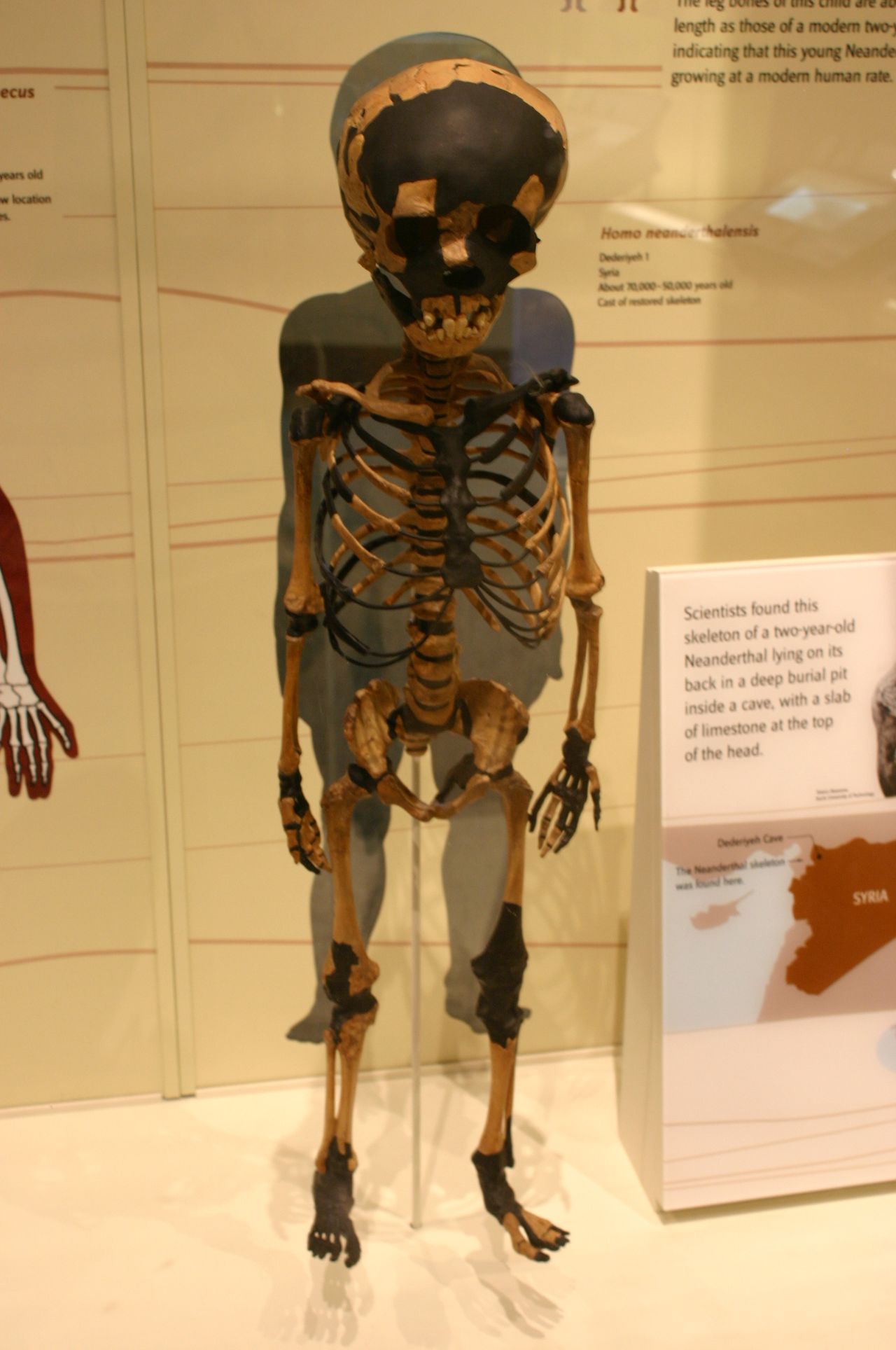
Before Farming: Syria's Prehistoric Roots
PrehistorySYRIA'S CONTRIBUTION:
Caves like Dederiyeh reveal Neanderthal burials and early Homo sapiens living in what would become Syria. Sites in El-Kowm and Wadi Tumbaq show hunter-gatherer life, seasonal camps, and some of the earliest symbolic tools and ornaments in the Levant.
GLOBAL CONTEXT:
Humans spread from Africa into Eurasia, but few regions show such continuous human presence as Syria.
💡 WHY IT MATTERS:
Long before crops and cities, Syria was already home, a place where early humans lived, hunted, created, and buried their dead.
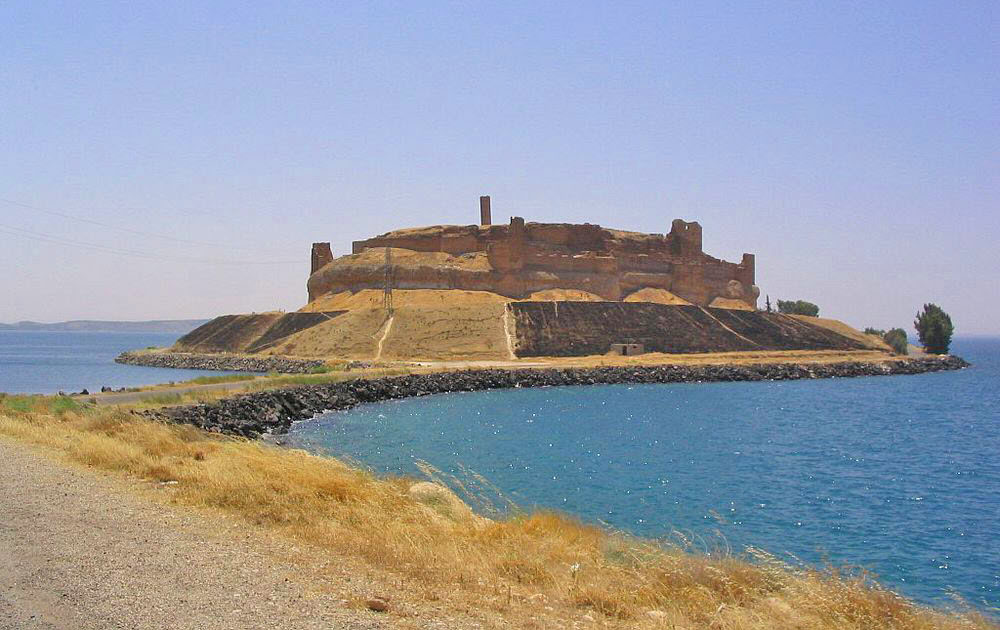
The Agricultural Revolution
AgricultureSYRIA'S CONTRIBUTION:
The site of Abu Hureyra on the Euphrates is one of the first known villages where humans shifted from hunting to farming.
GLOBAL CONTEXT:
Agriculture begins across the Fertile Crescent (Syria, Iraq, Turkey), marking the start of settled human civilization.
💡 WHY IT MATTERS:
Syria isn't just part of early civilization. It helped invent it.
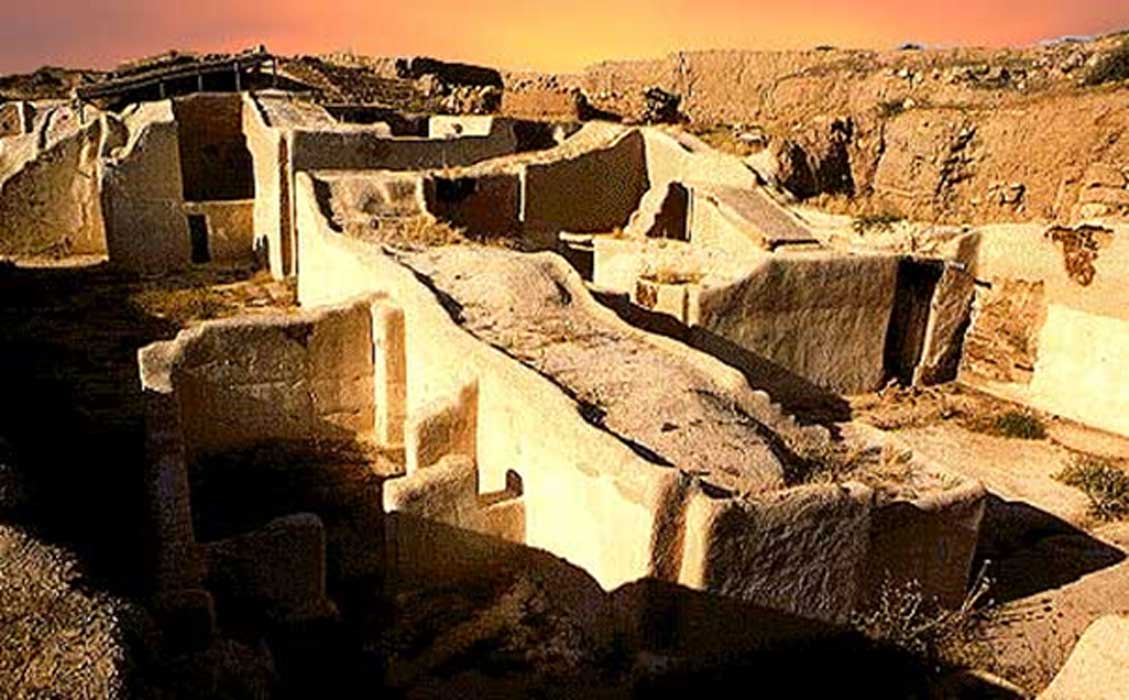
The Rise of Kingdoms
CivilizationSYRIA'S CONTRIBUTION:
The Ebla Kingdom thrives near modern Idlib, with an archive of 20,000 tablets, one of the oldest libraries in the world, documenting diplomacy, trade, and religion.
GLOBAL CONTEXT:
Pyramids are under construction in Egypt; Sumerians develop cuneiform in Mesopotamia.
💡 WHY IT MATTERS:
Syria was a powerful center of language, law, and diplomacy.
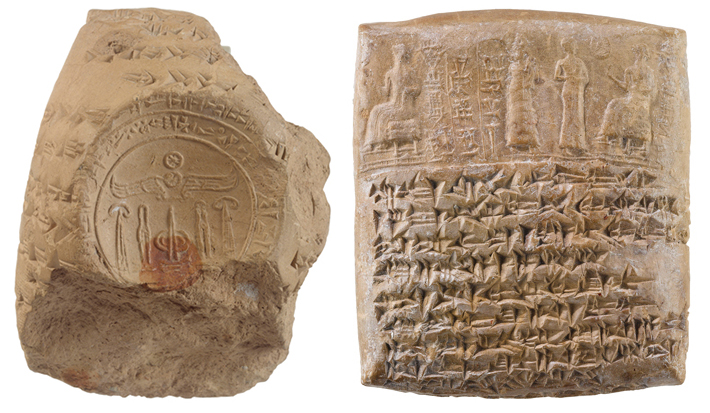
The First Alphabet
LanguageSYRIA'S CONTRIBUTION:
The Ugaritic script, discovered in Ras Shamra, is one of the earliest known alphabets, a major shift from pictograms to phonetic letters.
GLOBAL CONTEXT:
Mycenaean Greece rises; Chinese Shang dynasty flourishes.
💡 WHY IT MATTERS:
The foundation of modern written languages, including yours, started in Syria.
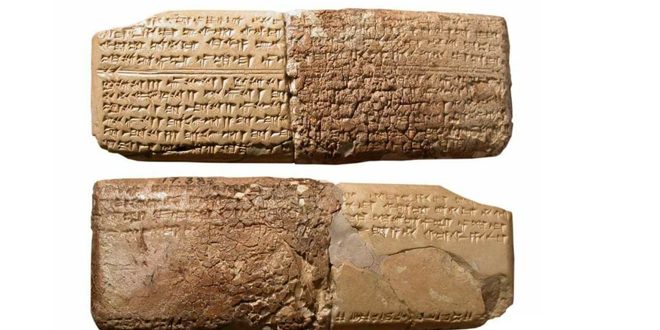
The First Music Notation
MusicSYRIA'S CONTRIBUTION:
A hymn to the goddess Nikkal, written in Ugaritic, is the oldest known written music in the world.
GLOBAL CONTEXT:
While most of the world passed music down orally, Syria became the first to write it down.; Olmec civilization begins in Mesoamerica.
💡 WHY IT MATTERS:
The world's first recorded melody comes from ancient Syria.
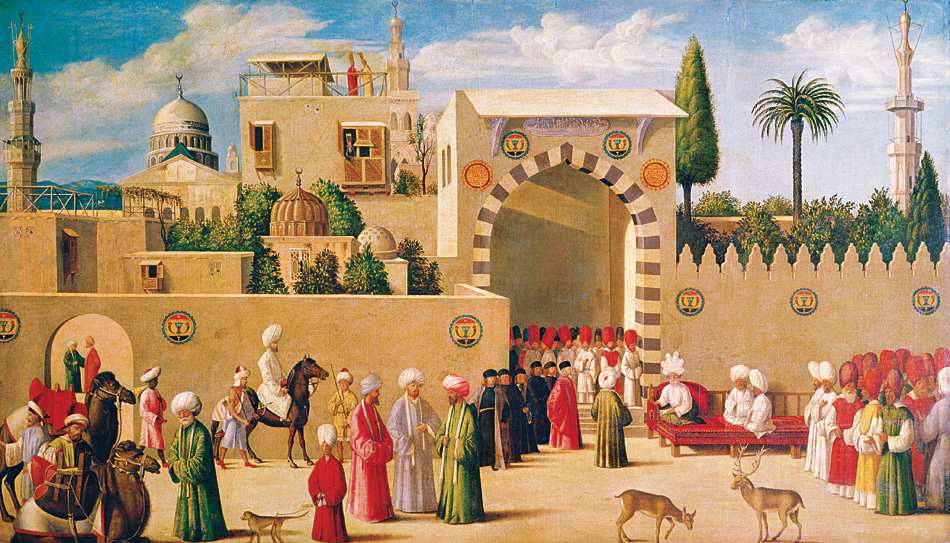
Cities That Never Died
CitiesSYRIA'S CONTRIBUTION:
Damascus and Aleppo emerge as key settlements, continuing to this day, making them the world's oldest continuously inhabited cities.
GLOBAL CONTEXT:
Babylon thrives; the Hittite Empire expands in Anatolia.
💡 WHY IT MATTERS:
These cities have seen every empire come and go, and still stand.
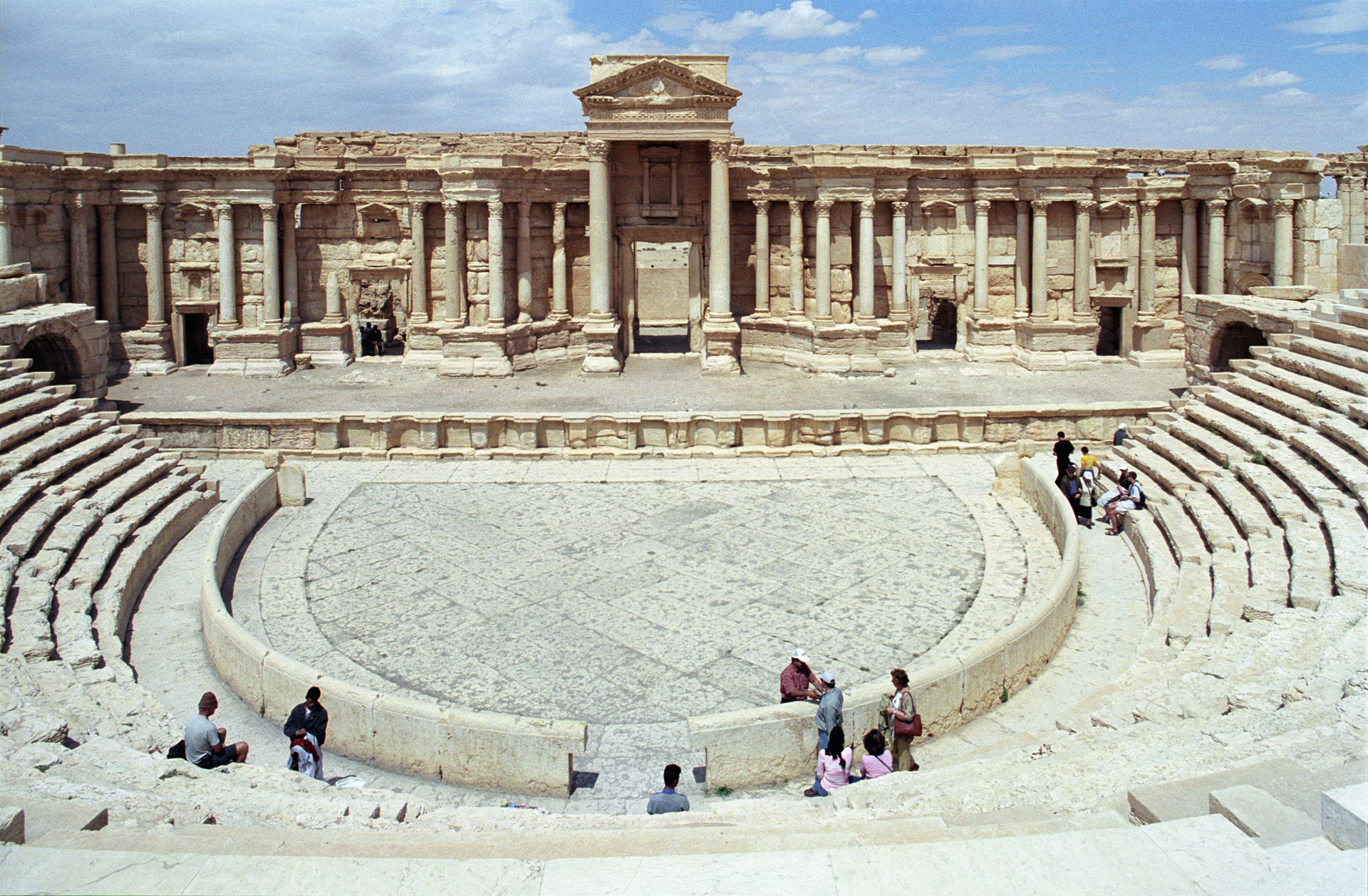
Roman Syria
CivilizationSYRIA'S CONTRIBUTION:
The region becomes part of the Roman Empire; cities like Bosra and Palmyra become hubs of trade and Roman architecture.
GLOBAL CONTEXT:
Julius Caesar rises in Rome; the Roman Republic nears collapse.
💡 WHY IT MATTERS:
Syria was the eastern heart of Rome, connecting it to the Silk Road.
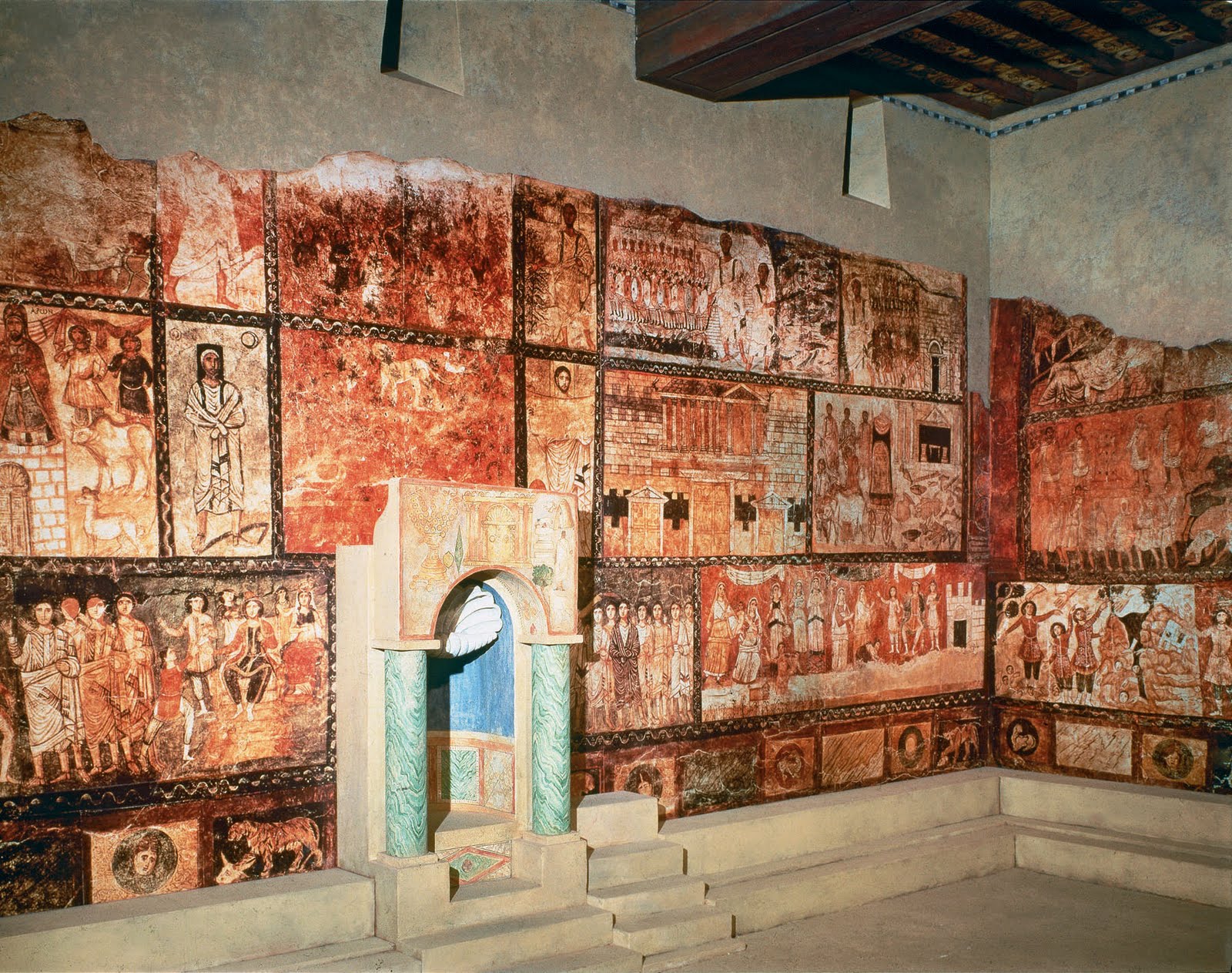
One of the Oldest Churches
CivilizationSYRIA'S CONTRIBUTION:
The Dura-Europos Church is built in eastern Syria, among the earliest Christian churches ever discovered.
GLOBAL CONTEXT:
Christianity spreads in the Roman Empire; Diocletian's persecution looms.
💡 WHY IT MATTERS:
Christianity's physical roots can still be touched in Syria.
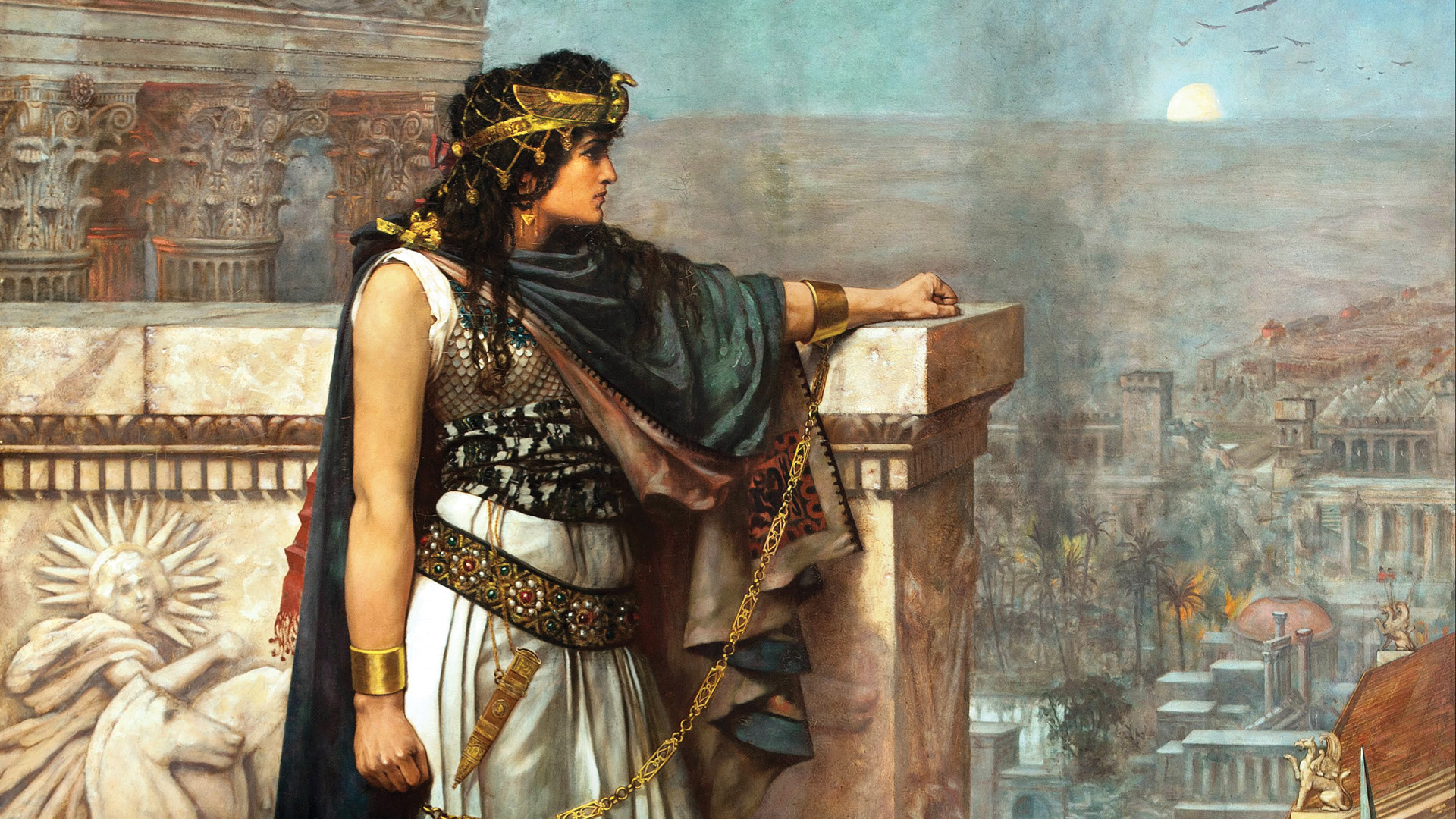
Rise of Palmyra & Queen Zenobia
WomenSYRIA'S CONTRIBUTION:
The Palmyrene Empire, under Queen Zenobia, defies the Roman Empire. Zenobia conquers Egypt and much of the Eastern Roman provinces, ruling with strength, intellect, and ambition.
GLOBAL CONTEXT:
Rome is in crisis (Third Century Crisis); plague and instability weaken the empire.
💡 WHY IT MATTERS:
Zenobia was one of history's first female heads of state: a philosopher, warrior, and queen who ruled a vast empire from Syria. Palmyra stood as a desert jewel of trade, tolerance, and architectural brilliance.
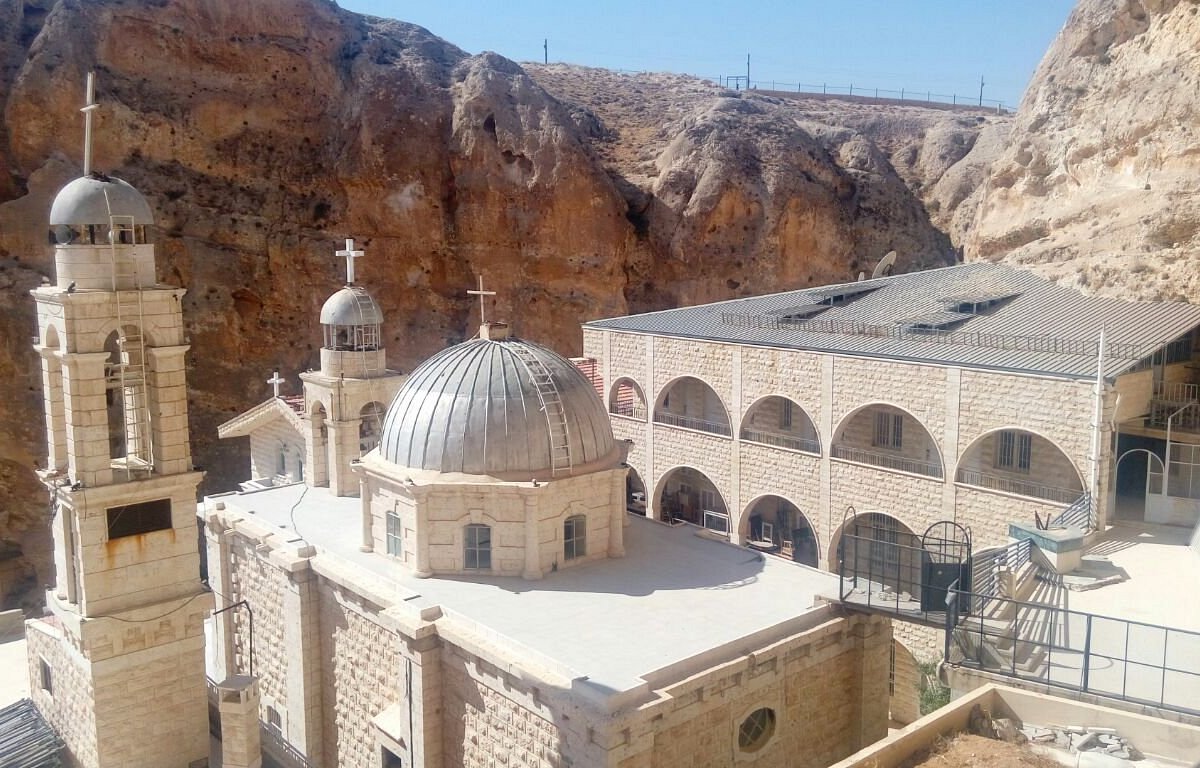
Where Aramaic Still Lives
LanguageSYRIA'S CONTRIBUTION:
The village of Maaloula, tucked into the cliffs near Damascus, preserves Western Aramaic, the language spoken by Jesus. It is also home to ancient Christian monasteries like Mar Takla and Mar Sarkis, active for over 1,600 years.
GLOBAL CONTEXT:
Christianity becomes the Roman Empire’s official religion; Latin and Greek replace Aramaic elsewhere.
💡 WHY IT MATTERS:
Maaloula is one of the only places on Earth where you can still hear the language of Jesus, and worship in it.
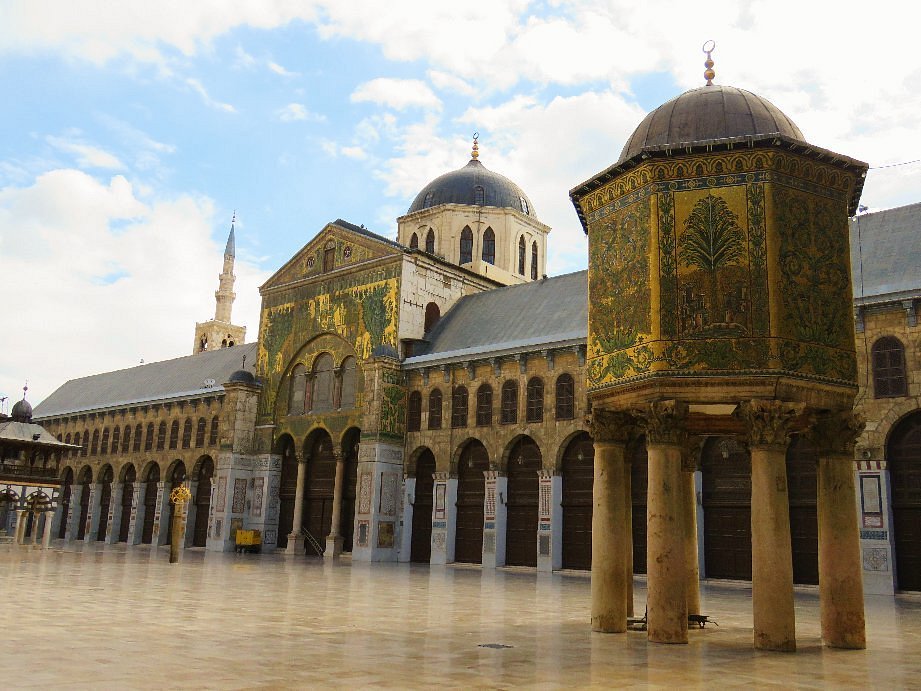
Umayyad Golden Age
CivilizationSYRIA'S CONTRIBUTION:
The Umayyad Caliphate builds its capital in Damascus and constructs the Umayyad Mosque, blending Roman, Byzantine, and Islamic styles.
GLOBAL CONTEXT:
Europe enters the Dark Ages; Tang Dynasty rises in China.
💡 WHY IT MATTERS:
Damascus becomes the capital of the Islamic world, influencing art and architecture across continents.
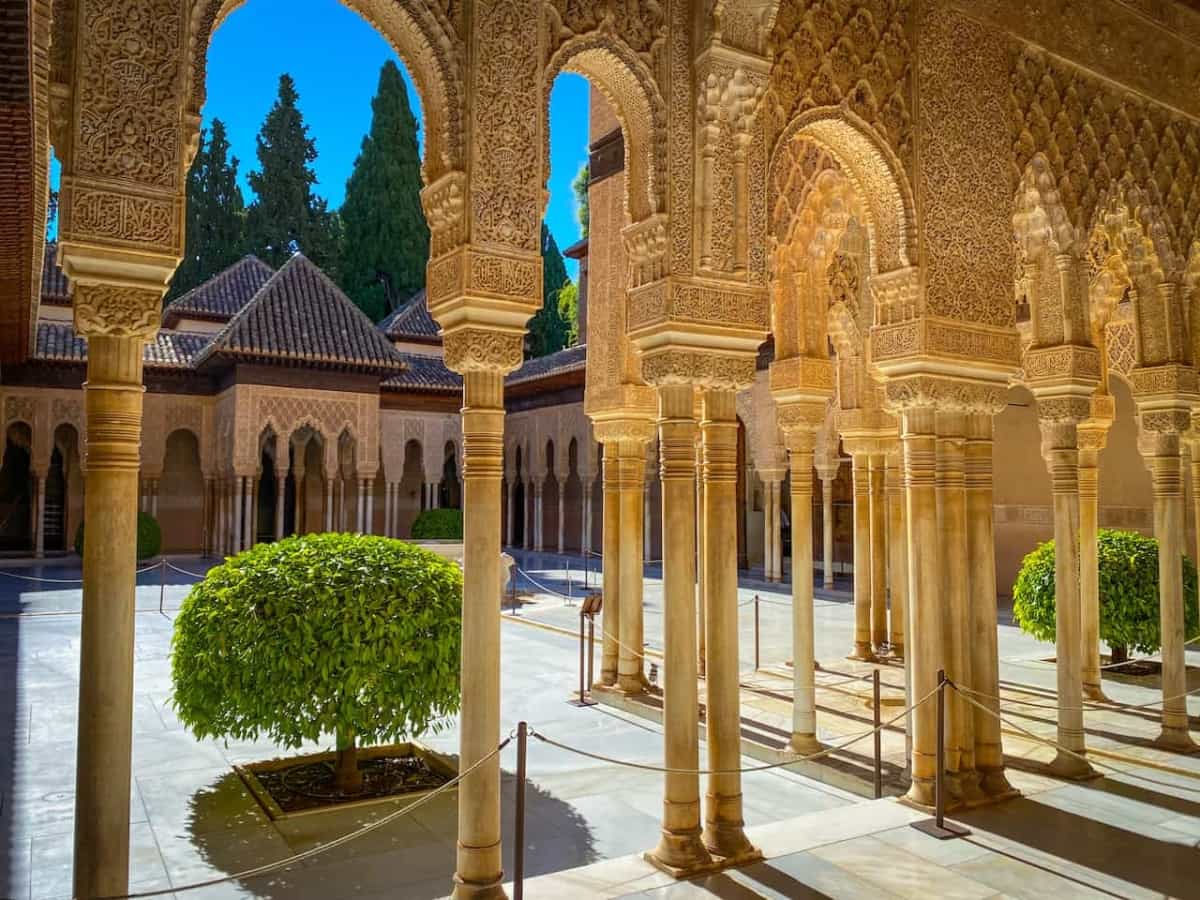
From Damascus to Spain
CivilizationSYRIA'S CONTRIBUTION:
Exiled Umayyads establish a new capital in Córdoba, Spain. They introduce science, astronomy, medicine, philosophy, and architecture inspired by Syria.
GLOBAL CONTEXT:
Charlemagne unifies Europe's west; Viking age begins.
💡 WHY IT MATTERS:
Syrian ideas sparked Europe's most advanced civilization before the Renaissance.
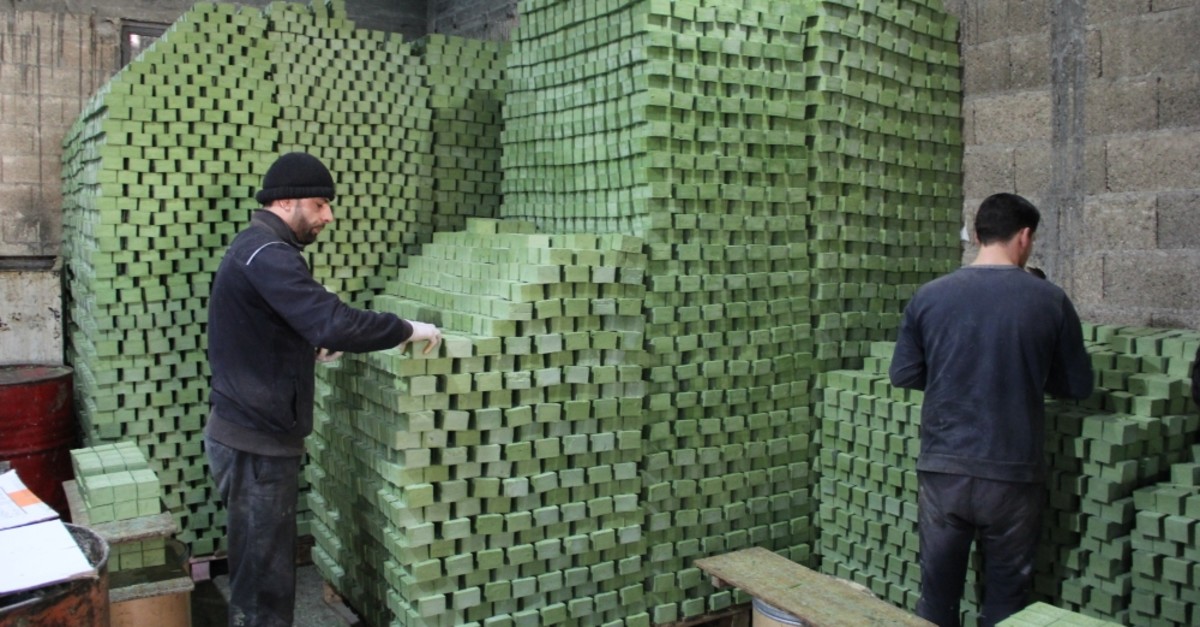
The First Soap
InnovationSYRIA'S CONTRIBUTION:
Aleppo soap (olive oil + laurel) is considered the world's oldest natural soap, still made traditionally today.
GLOBAL CONTEXT:
In Europe, animal-fat soap is primitive and rare.
💡 WHY IT MATTERS:
Cleanliness spread from Aleppo to the world.
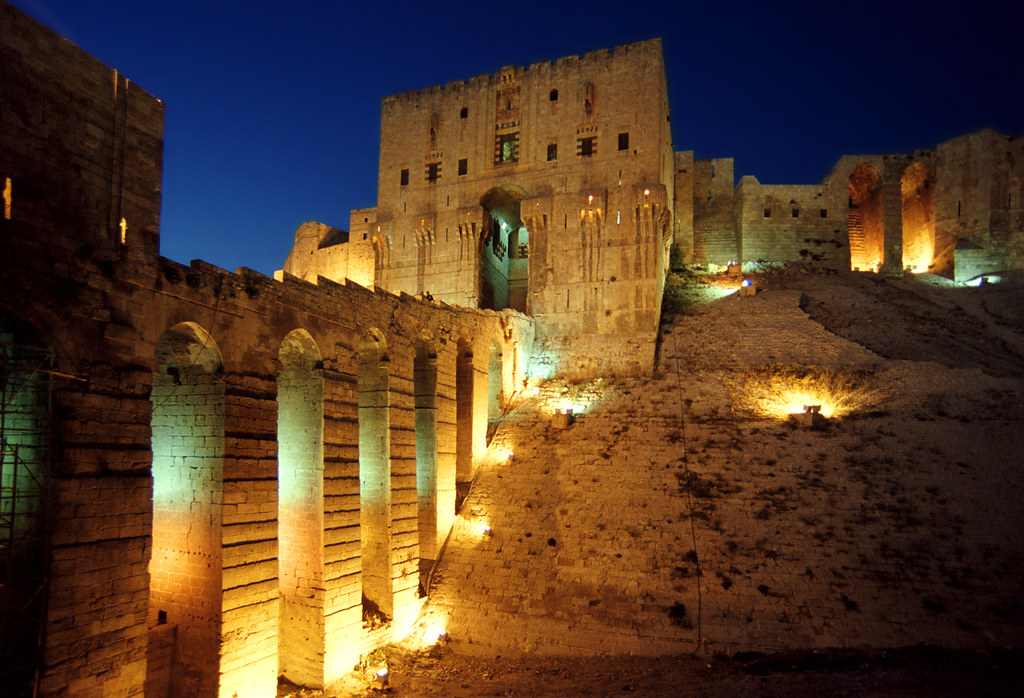
Age of Citadels
CitiesSYRIA'S CONTRIBUTION:
Aleppo Citadel, Homs Citadel, and Krak des Chevaliers (Crusader-era) serve as powerful fortresses during invasions.
GLOBAL CONTEXT:
Crusades ravage the Middle East; Mongols rise in Asia.
💡 WHY IT MATTERS:
Syria was a crossroads of empires and battleground of faiths.
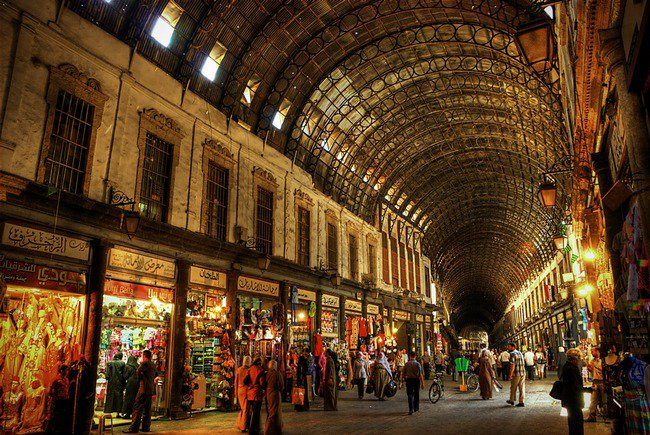
Ottoman Trade & Souqs
InnovationSYRIA'S CONTRIBUTION:
The Hamidiyah Souq in Damascus becomes a major Ottoman-era trading center, blending Eastern and Western goods.
GLOBAL CONTEXT:
Age of Exploration begins in Europe (Columbus, Vasco da Gama).
💡 WHY IT MATTERS:
Damascus connects Europe, Asia, and Africa through trade.
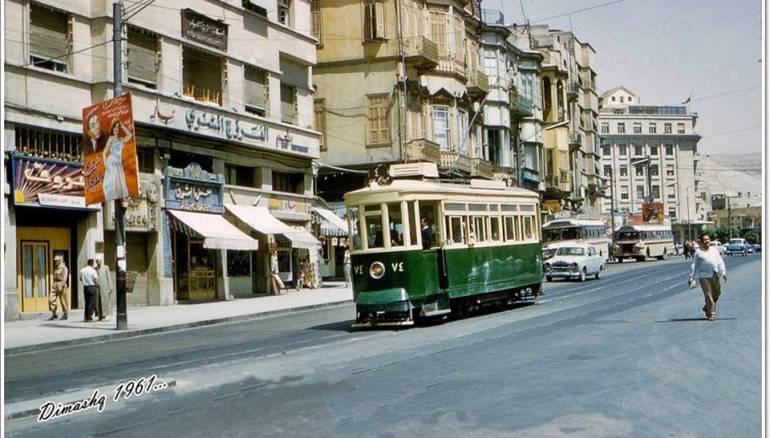
Damascus Rolls Into the Electric Era
InnovationSYRIA'S CONTRIBUTION:
The streets of Damascus welcomed electric trams in 1907, making it one of the first cities in the Middle East to modernize its public transportation system. The network linked the bustling Old City to outlying districts like Mezzeh and Qaboun, reshaping urban life and mobility.
GLOBAL CONTEXT:
While many cities across Europe and Asia were still transitioning from horse-drawn to electric trams, Damascus was already running on power, just 25 years after the world’s first electric tram debuted in Berlin.
💡 WHY IT MATTERS:
The Damascus tram wasn’t just a ride. It was a symbol of how modern, connected, and ambitious the city was at the dawn of the 20th century.

Founding Member of the Arab League
PoliticsSYRIA'S CONTRIBUTION:
Syria joined Egypt, Iraq, Lebanon, Saudi Arabia, Jordan, and Yemen to found the Arab League, aiming for political and cultural unity after colonialism.
GLOBAL CONTEXT:
As Europe built NATO and the UN, the Arab world forged its own alliances, and Syria was at the table from day one.
💡 WHY IT MATTERS:
Syria helped shape Arab identity and diplomacy in the post-WWII world.
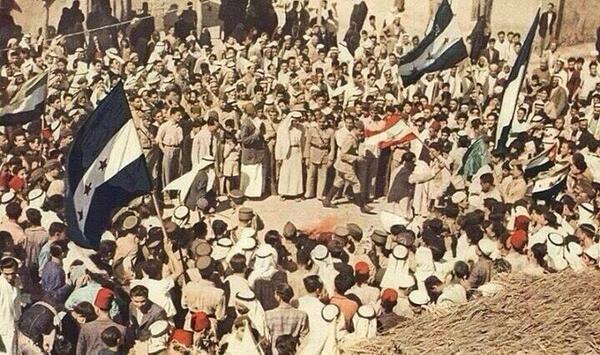
Syrian Independence
CivilizationSYRIA'S CONTRIBUTION:
Ends French colonial rule and becomes independent.
GLOBAL CONTEXT:
United Nations is formed; Cold War begins.
💡 WHY IT MATTERS:
Syria steps into modern statehood after millennia of empire.
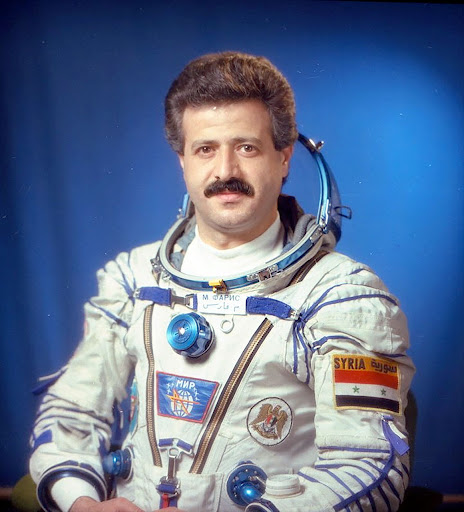
The First Syrian in Space
ScienceSYRIA'S CONTRIBUTION:
Muhammed Faris, a pilot from Aleppo, became the first Syrian and second Arab to travel to space. He launched aboard the Soviet Soyuz TM-3 to the Mir space station, spending 7 days in orbit and conducting scientific experiments.
GLOBAL CONTEXT:
While the Cold War space race was dominated by the U.S. and USSR, Faris represented the Arab world in the stars, a rare symbol of ambition, science, and pride from the Global South.
💡 WHY IT MATTERS:
His journey made Syria part of the cosmic story, not just Earth’s.
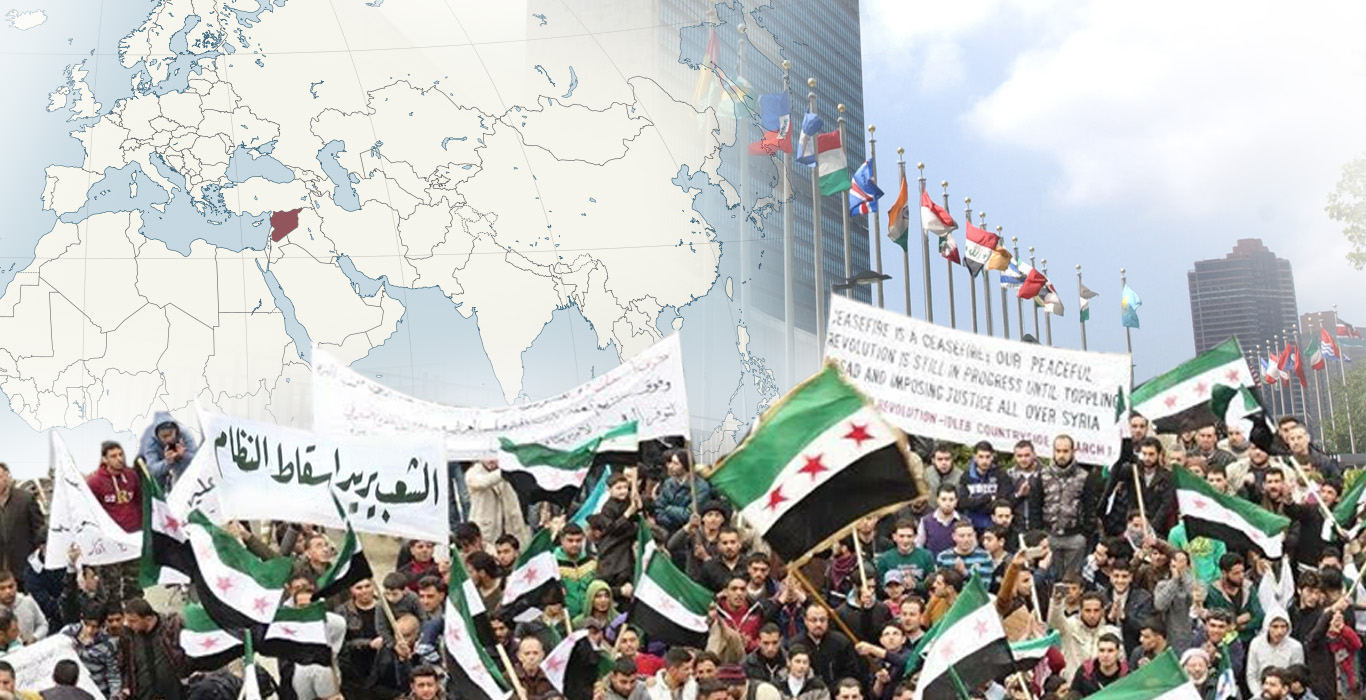
The Syrian Revolution
CivilizationSYRIA'S CONTRIBUTION:
Peaceful protests evolve into one of the world's most devastating conflicts, and a profound story of resistance, art, and exile.
GLOBAL CONTEXT:
Arab Spring shakes the Middle East.
💡 WHY IT MATTERS:
The revolution is Syria's modern quest for dignity and freedom.
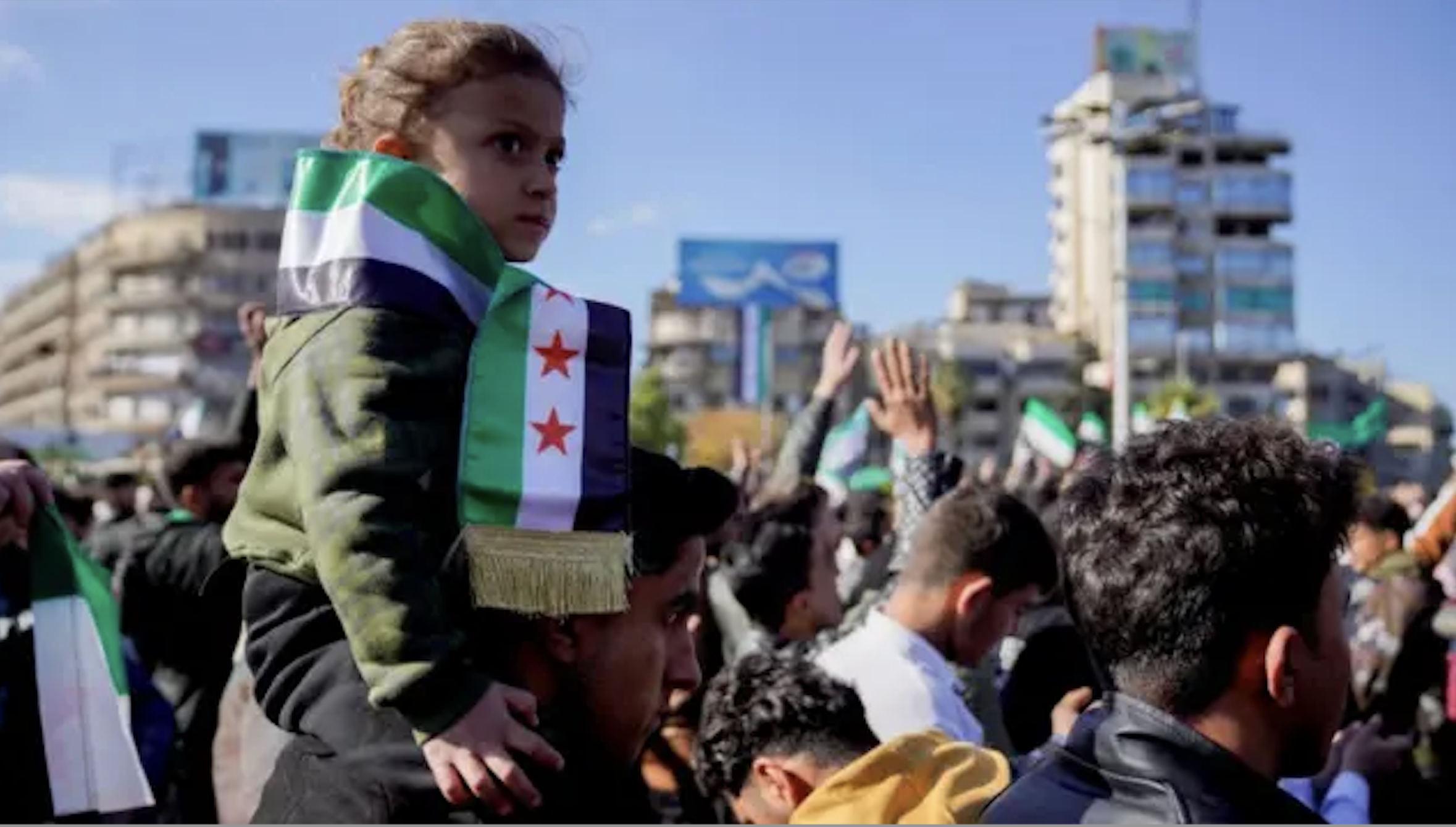
The Future of Syria
CivilizationSYRIA'S CONTRIBUTION:
Reconstruction, digital rebirth, heritage revival, and the rise of a new generation of entrepreneurs, artists, and dreamers.
GLOBAL CONTEXT:
AI age, global connectivity, shifting power structures.
💡 WHY IT MATTERS:
Syria's past is unmatched, and its future is still being written.
Experience Syria's History Firsthand
From ancient Ugarit to vibrant Damascus, Syria's historical treasures await your discovery. Plan your journey to the cradle of civilization.